Blog
Lawrence Collision Center +

June 11, 2026
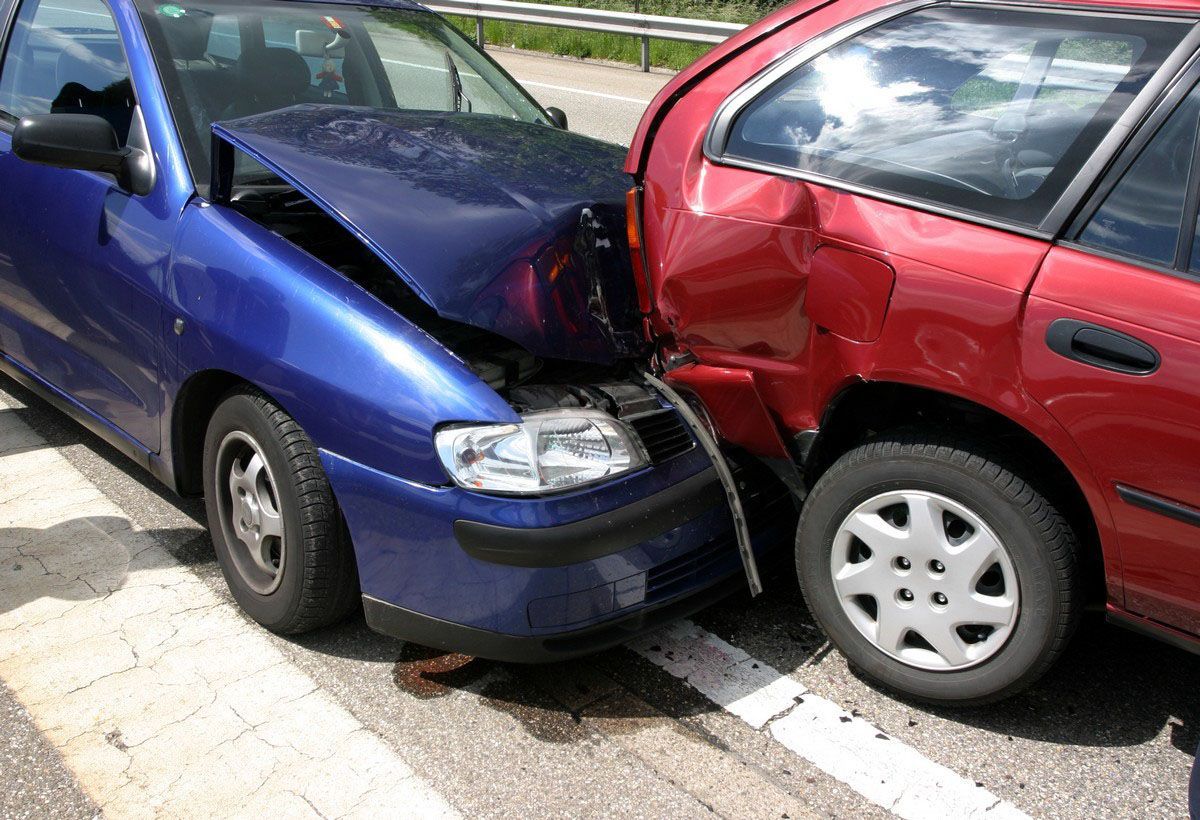
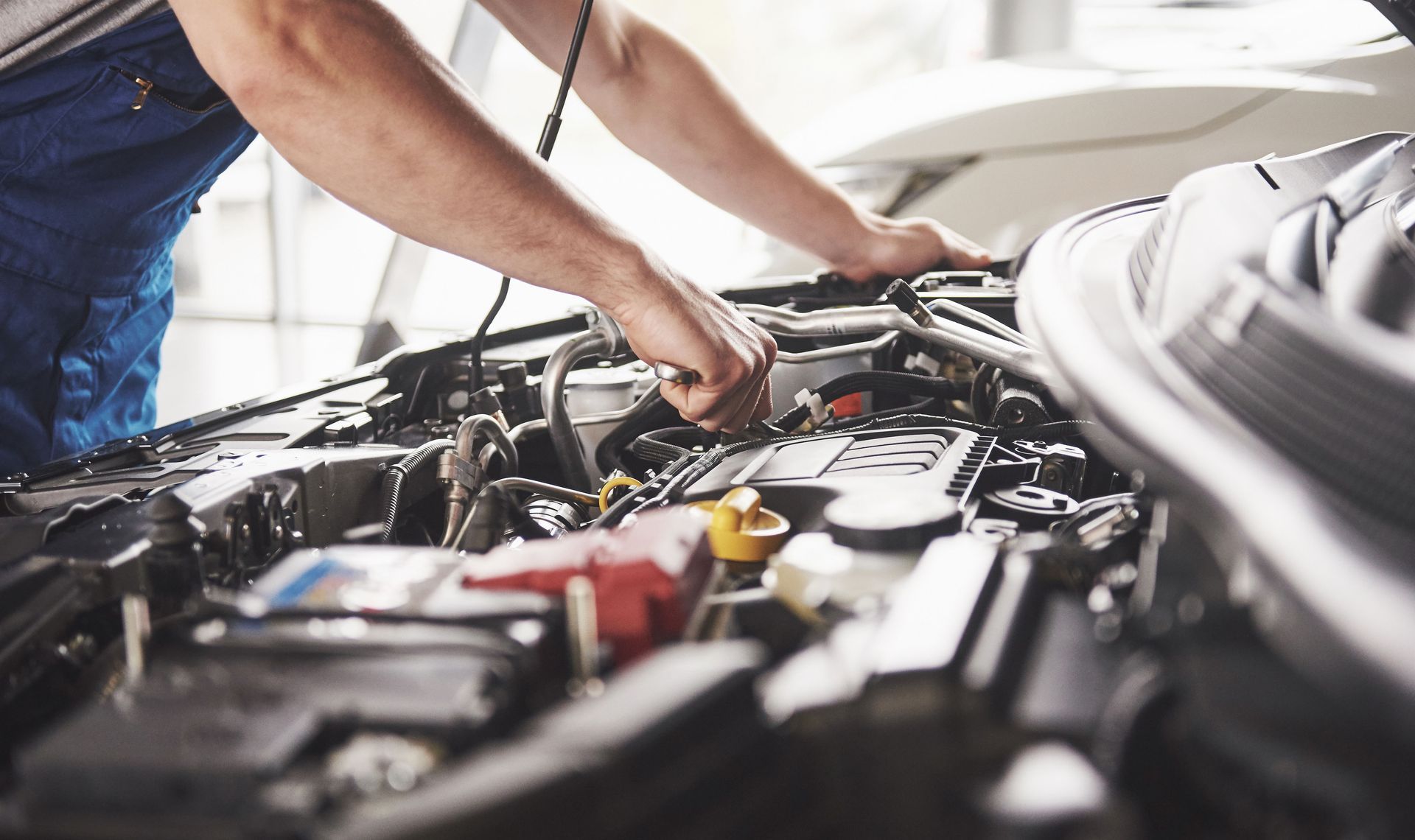
Getting into a vehicle collision is a stressful experience that leaves many drivers feeling completely overwhelmed. Once everyone is safe and the initial shock passes, focusing on restoring your vehicle becomes the top priority. Understanding the professional restoration process helps clarify what to expect during your vehicle restoration journey. Securing a Professional Damage Assessment The restoration process begins the moment a vehicle arrives at a professional facility for evaluation. Skilled technicians conduct a meticulous visual inspection of the exterior panels to identify obvious structural distortions. They document every scratch, dent, and misaligned component to create an initial blueprint for the necessary vehicle restoration work. This visual record establishes a baseline that prevents any pre-existing damage from being confused with the recent accident. Beneath the surface of a crumpled bumper lies a complex network of safety systems and mechanical components. Technicians utilize advanced diagnostic scanning tools to read the vehicle's computer codes and identify hidden electrical or mechanical faults. This comprehensive digital health check reveals underlying issues that the naked eye simply cannot detect during a basic physical walkthrough. Accounting for future costs, auto body repairs require precise upfront planning to prevent unexpected delays during the teardown. A detailed written estimate is compiled after combining the visual findings with the digital diagnostic data. This document outlines the required parts, labor hours, and specific procedures needed to return the vehicle to factory standards. Disassembling the Impacted Vehicle Zones Once the repair plan receives approval, technicians begin the meticulous teardown of the damaged areas. They carefully remove broken bumpers, crumpled fenders, and shattered light assemblies to expose the inner skeletal structure. This careful deconstruction prevents further damage to the surrounding components that survived the initial accident completely intact. Removing outer panels allows the team to inspect the inner reinforcement bars and energy-absorbing crumple zones. This stage is critical because underlying structural damage must be addressed before any cosmetic work can begin. Discovering hidden clips, broken brackets, or cracked fluid reservoirs now prevents alignment issues later in the rebuilding process. Every removed part is cataloged and organized systematically within the service bay to maintain workplace efficiency. Complex auto body repairs demand this level of strict organization so that no factory hardware is misplaced. This organized teardown creates a clear workspace, allowing technicians to focus entirely on executing precision structural fixes. Aligning the Internal Structural Frame Modern vehicles rely on a structural frame or unibody system to protect passengers during a collision. If the accident forces this framework even slightly, the vehicle must be mounted onto a specialized frame-straightening machine. This heavy-duty equipment secures the vehicle chassis firmly in place for high-precision measurement and structural realignment. Technicians use computerized laser measuring systems to compare the current frame dimensions against original factory specifications. Hydraulic rams then apply controlled, directional pressure to pull the distorted metal back into its exact original geometry. Achieving millimeter-accurate alignment matters because a misaligned frame alters vehicle handling and compromises future crash safety performance. Maintaining correct vehicle alignment also prevents premature wear on crucial mechanical systems like suspension and steering components. According to the National Highway Traffic Safety Administration, around 11,000 tire-related crashes yearly are caused by underinflated tires. Properly aligned structural frames help maintain correct tire orientation, which prevents uneven tread wear and supports overall highway safety. Rebuilding the Exterior Panel Structure With the internal framework safely restored to factory specifications, technicians turn their attention to the exterior shell. Specialized auto body repairs involve fetching new original equipment manufacturer panels from inventory and preparing them for installation. Technicians carefully test-fit every door, fender, and hood to check that the gaps between panels match factory tolerances. Skilled metalworkers use specialized hand tools, dent pullers, and welding equipment to reshape salvageable exterior sections. They smooth out minor surface imperfections using specialized filler compounds, which are sanded down until they match the original body contours. This labor-intensive sculpting process demands incredible patience to achieve a seamless transition between old and new sections. Perfect panel alignment is essential for the vehicle's aerodynamics, weather sealing, and overall structural integrity. Technicians spend hours adjusting hinges, latches, and brackets to achieve smooth operation when opening and closing doors. Perfecting these physical tolerances completes the heavy mechanical phase of the project. Applying the Factory Paint Finish The painting process begins inside a specialized, climate-controlled spray booth designed to keep dust particles away from the vehicle. Refinish technicians thoroughly clean and sand the new panels to create an ideal surface for paint adhesion. They apply a corrosion-resistant primer layer to seal the bare metal and provide a smooth foundation. Matching modern automotive paint requires computer program assistance and a deep understanding of paint chemistry. Technicians input the vehicle factory color code into a mixing system to recreate the exact original shade. They then spray multiple layers of the base color coat using specialized high-volume, low-pressure paint guns. A durable, clear coat layer is applied over the color coat to provide a glossy shine and UV protection. The vehicle then bakes under infrared heat lamps to cure the paint layers into a hard, resilient shell. Professional auto body repairs rely on this crucial baking process to replicate factory manufacturing conditions. Reassembling the Restored Vehicle Components The vehicle moves back to the assembly area once the paint finish fully cures and passes inspection. Technicians carefully reinstall the original interior trim pieces, exterior door handles, weatherstripping, and decorative chrome molding. They handle the fresh paint with extreme care during this phase to avoid creating any surface scuffs. When executing auto body repairs, technicians must calibrate modern safety features like lane-departure warnings and blind-spot monitors. New headlight housings, taillights, and electronic sensors are wired back into the vehicle's electrical system. Proper sensor calibration confirms that these driver-assistance technologies function correctly when the vehicle returns to open roads. Mechanical components like fluid lines, air conditioning condensers, and radiator supports are fastened into their permanent positions. Technicians top off vital vehicle fluids and check for any leaks around the newly installed parts. This meticulous reassembly phase marks the physical completion of the rebuilding process. Executing Final Quality Inspections The completed vehicle undergoes a multi-point quality control inspection overseen by a senior shop supervisor. The inspector reviews the initial repair blueprint to verify that every documented item was addressed completely. They scrutinize the paint finish under high-intensity lighting to check for color consistency and surface texture. A road test is conducted to evaluate vehicle handling, braking performance, and overall structural quietness. Technicians listen closely for unusual wind noise or vibrations that might indicate minor panel misalignment. The vehicle computer system is scanned one final time to verify that all electronic error codes are clear. The vehicle receives a thorough detailing service to remove shop dust, polishing residue, and technician fingerprints. Cleaning the interior and washing the exterior allows the team to present the vehicle in pristine condition. Passing these final quality milestones marks the official conclusion of all auto body repairs. Experiencing an accident is undoubtedly disruptive, but understanding the restoration journey brings valuable peace of mind. From the initial computerized diagnostics to the final clear coat polish, modern collision restoration relies on incredible technical precision. Relying on certified professionals to handle the rebuilding process yields a safe, beautiful vehicle that looks completely uninjured. Reach out to Lawrence Collision Center + to schedule an appointment for professional auto body repairs .